Understanding Your Vehicle’s Suspension System
While the exhaust system affects emissions and noise, the suspension is equally crucial to overall vehicle behaviour. This section explains the roles of two key components within a vehicle’s suspension and how wear over time introduces subtle, yet noticeable, changes.
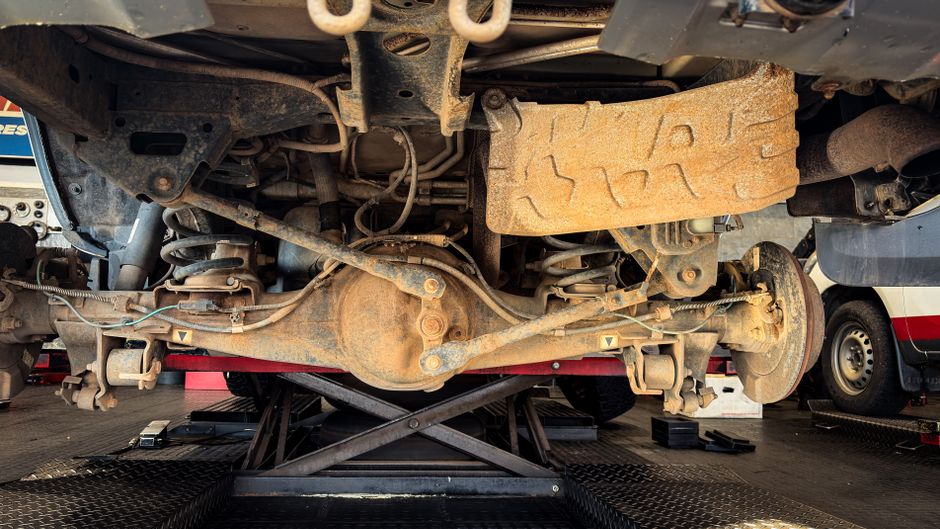
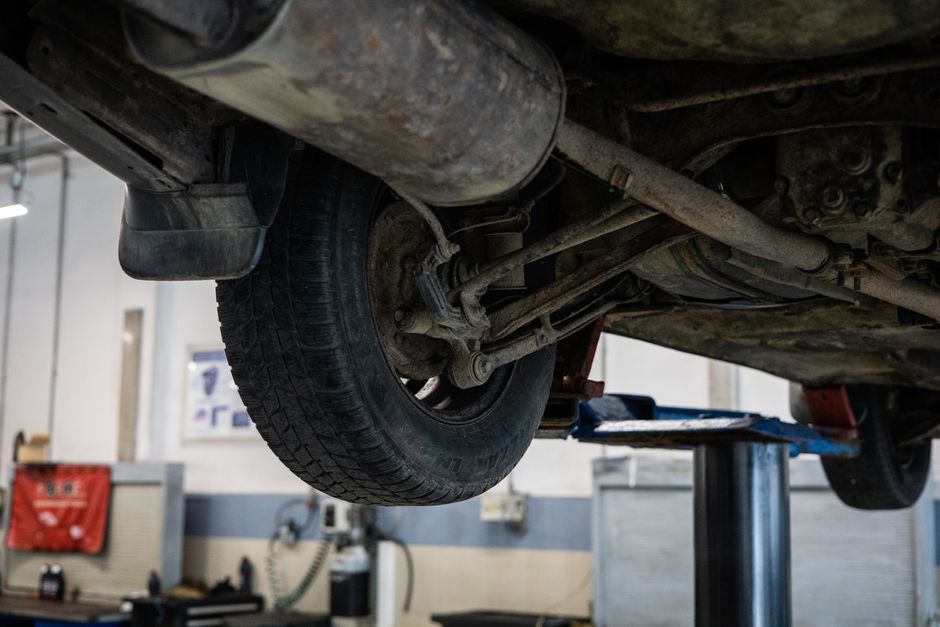
Shock absorbers control spring movement, preventing excessive bouncing after steps and bumps. With time, their internal seals and fluid can degrade. A consequence of this mechanical characteristic is a reduced ability to keep the tyres in consistent cohesion with the road surface. Bushings, in contrast, are small polyurethane or rubber components residing throughout the linkage points of the suspension bars and arms. These act as flexible joints allowing play; over their lifespan, they can harden, shed material, and present unwanted slack in this otherwise designed assembly. That matters because bushings mediate numerous hard linkages connecting the axle and parts making up the chassis. Should their resilience go unreplenished, road texture filters through a new channel different from original engineering design, carrying vibration direct to driver’s seat and effectively extending, somewhat, the vehicle's necessary braking stability, through impeded rider distances (is designed).